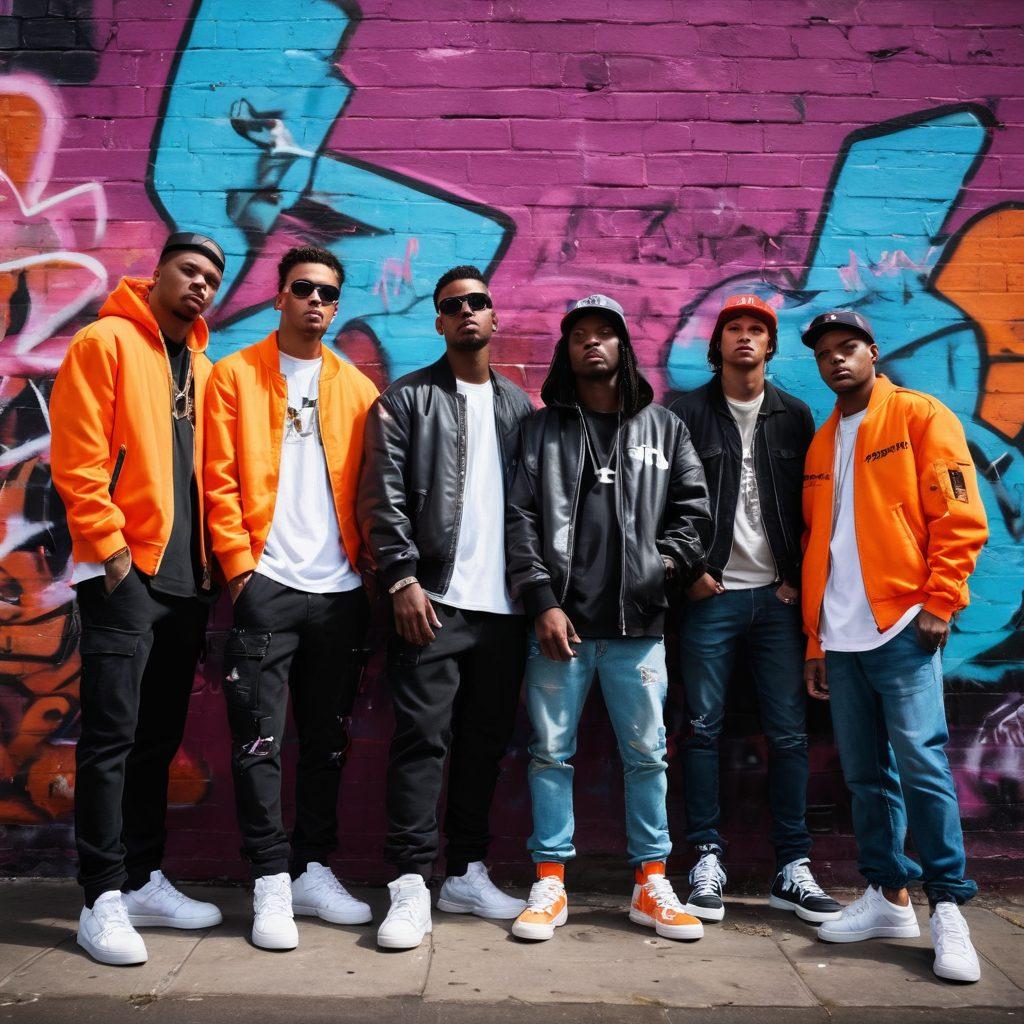
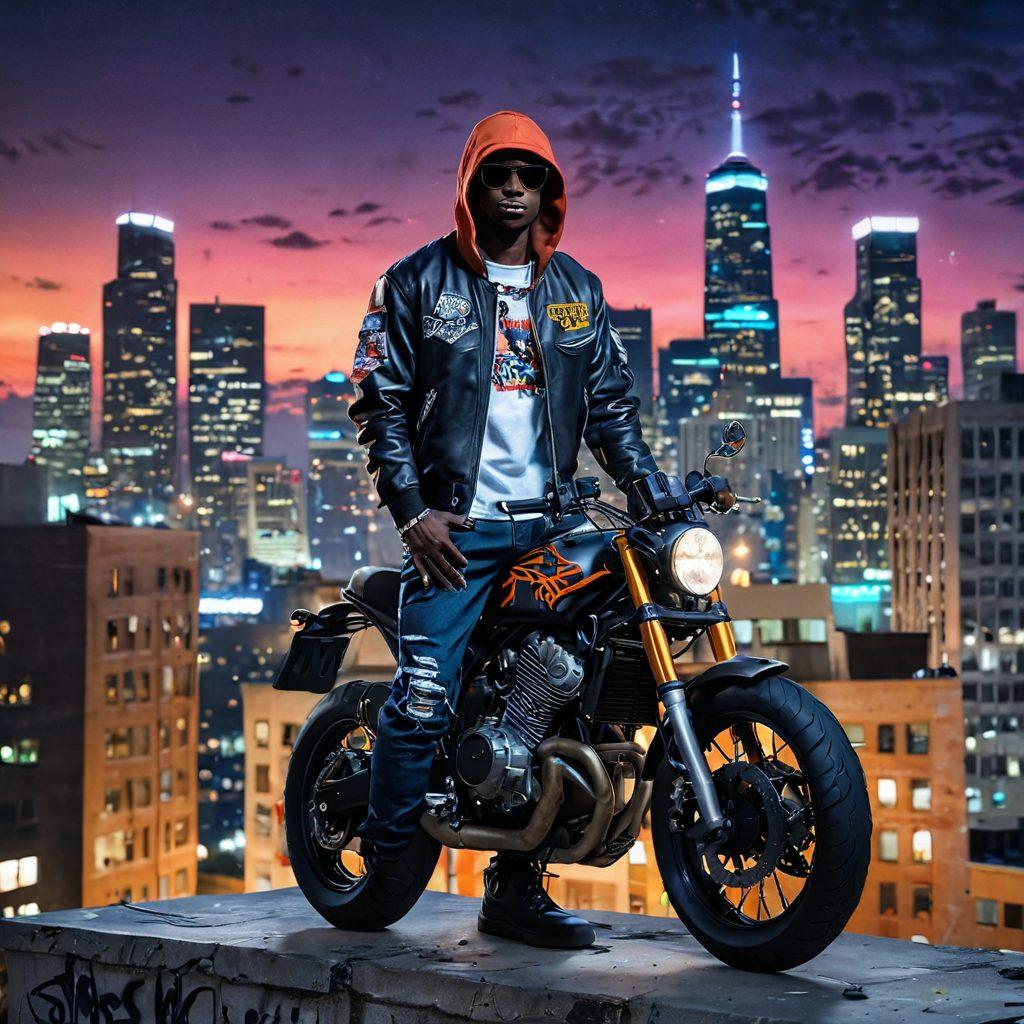
Unveiling the Bad Boys of the Urban Jungle: Embracing the Thug Life and Street Culture
Why are we drawn to the troublemakers, the misfits, and the rebels of society? Ever since the dawn of storytelling, the allure of the bad boy has captured our imaginations. Whether depicted as a ruffian with a heart of gold or a ruthless gangster living on the edge, these characters resonate deeply with many of us. They challenge the status quo, dance on the fringes of society, and embody a sense of adventure that ignites our spirit of rebellion. The thug life portrayed in movies, music, and street culture often romanticizes the rugged allure of the outlaw, captivating not just the youth but people of all ages.
The mystique surrounding these antiheroes is almost palpable. They encapsulate everything we secretly admire—fearlessness, style, and a confidence that’s hard to come by in the mundane routines of daily life. Think about it: what do we really find fascinating in the lives of hoodlums and gangsters? Is it their flair for danger? Their unapologetic demeanor that defies societal norms? Or is it the underlying struggle of the underdog bravely taking on a world that seems intent on keeping them down? As they navigate the urban landscape, they become the ultimate mavericks, masters of their own fate, which is undeniably attractive.
Street culture, rife with stories of delinquent adventures, spills over with lessons in resilience and rebellion. Where most follow the crowd, bad boys create their own paths. They cultivate a sense of individuality that we often yearn for yet struggle to achieve. By embracing their tough exterior and refusal to conform, these villains become symbols of strength and resistance. They whisper to us, reminding us not only of what we admire but also what we fear: the impact of living a life away from societal expectations. Are they irretrievable misfits or complex characters with stories worth exploring? This duality adds layers to their persona.
The romance of the bad boy resonates through lyrics in popular music, where gangstas and streetwise outlaws turn their life challenges into art. But beyond the bravado, there’s a compelling vulnerability that’s often overlooked. Every thug has a story; every troublemaker has faced adversity. And for many, these narratives are steeped in truth. Embracing the thug life is sometimes an act of survival—a way to rise above their circumstances. This is what makes them relatable. We all have our battles, and in a way, we find solace in recognizing that even the toughest of tough guys face their own demons. How often do we forget that behind every bad boy is also the story of a victim?
Finally, let’s not forget the influence of the cinematic tradition that has glorified these figures. Whether it's the slick charm of a rebellious hustler or the unyielding spirit of a streetwise villain, these portrayals not only entertain but also provoke thought. The antihero captivates us because they reflect our own internal conflicts and desires. They challenge us to reassess our judgments about right and wrong, inviting us to walk in their shoes for a moment. As we explore our fascination with bad boys, we discover something profoundly human: a need for connection and the yearning to break free from our own confines. What is it about these outlaws that beckons us to join them in their thrilling adventures while knowing they might lead to danger?
From Rebels to Antiheroes: The Impact of Thug Life on Urban Culture
In the vibrant heart of city life, where the streets pulse with energy and creativity, the tales of the 'bad boys' paint a thrilling backdrop. These rebels, often labeled as thugs or hoodlums, challenge the mundane and embrace a lifestyle steeped in grit. Have you ever wondered what it means to be a maverick in a world that loves to box you in? Urban culture is a reflection of the struggles and triumphs faced by these antiheroes, individuals who navigate the fine line between justice and lawlessness, ultimately shaping the very fabric of our modern society.
The allure of the thug life can be intoxicating. These 'gangsters' and 'ruffians' operate within their distinct communities, garnering respect not only through intimidation but also by living by a challenging code of honor. They are often viewed as outlaws, driven by circumstances that compel them to become troublemakers and delinquent rebels in the eyes of mainstream society. But behind every villainous act lies a story—one of struggle, aspiration, and the quest for belonging. Could it be that these bad boys are simply the underdogs trying to claim their spot in an unforgiving world?
Street culture thrives on the narratives that the streetwise often create. From graffiti art to rap battles, these genres highlight the raw, unfiltered emotions of those who reside in the urban jungle. The very essence of being 'street smart' surfaces—whether it’s knowing the ins and outs of one’s neighborhood or showing resilience in the face of adversities. Isn't it fascinating how streetwise individuals can master not just survival, but flourish with creativity? Thug life encapsulates more than just rebellion; it embodies inventiveness and unyielding spirit.
In our societies, these tough guys often transform into cultural icons from the shadows to the spotlight. They've been romanticized in movies and music, celebrated for their unfettered spirit and defiance against established norms. Yet, this glorification raises questions: Are we idolizing criminals, or are we incentivizing nonconformity as a pathway for change? Framed as antiheroes, these characters often mirror our own dissent and frustrations in a world that craves balance between right and wrong. They are not just a phenomenon; they are a voice for many lost in the system.
The stories of these gangsta figures resonate deeply with their communities, bridging the gap between the elite and the marginalized. Empathy often arises when we delve deep into their journeys, recognizing that they are shaped by their environments, fueled by passion, and led by their desire to rewrite their narratives. The toughness of the bad boy is a mask, sometimes hiding vulnerability and the longing for acceptance. So, how do we embrace these complexities within our urban lifestyle? By acknowledging their influence while aspiring toward a more inclusive culture, we encourage a dialogue that promotes understanding and respect for all walks of life.
Streetwise and Fearless: Embracing the Spirit of the Urban Outlaw
In the heart of every metropolis lies a vibrant pulse, a rhythm that beats through concrete jungles and bustling streets. This is where the mavericks, the rebels, and the outlaws come alive. Have you ever wondered what it feels like to embrace the thug life or to dance with danger like a true bad boy? As we delve into street culture, we discover that being a gangster, a hoodlum, or even a delinquent is more than just a label; it’s a lifestyle steeped in resilience and authenticity. It's about rewriting the rules and forging your own path, much like the infamous antiheroes that have captured our imagination for decades.
Imagine walking down a graffiti-laden alley, the air thick with history and tales of those who dared to live on the edge. The essence of a thug isn’t just about crime; it’s about being streetwise in a world that often marginalizes the underdog. These urban outlaws breathe life into the gritty reality of street culture, where every corner holds a story and every slam of a door echoes rebellion. "Sometimes, the villain is just a misunderstood hero in a different light." What does it mean to embrace that notion in today’s world, where conformity often reigns supreme?
Street culture teaches us valuable lessons about survival and authenticity. Take the ruffian, the troublemaker—many will label them as criminals, but beneath that tough exterior lies a narrative ripe with challenges and triumphs. We tend to perceive these so-called villains through a narrow lens, forgetting that they are often products of their environment, fighting against odds to claim their identity. It’s the essence of being tough; it’s about overcoming adversity and daring to embody your truth, regardless of societal expectations.
The urban lifestyle is stitched together with stories of courageous individuals who break the mold. Each ‘bad boy’ or ‘gangsta’ plays their part in this dynamic theater of life. They are not just characters in a drama; they are symbols of defiance against an often unforgiving system. Have you ever identified with a character who embodies rebellion? Perhaps you’ve felt that thrill in standing out from the crowd, embracing your individuality rather than conforming. It’s this spirit of the outlaw that challenges us to break free from our shackles and dance to our own beat.
Ultimately, embracing the spirit of the urban outlaw is about finding freedom in your identity. It’s about being unapologetically yourself, whether you're a tough guy or a sensitive soul. To walk the streets fearlessly means to own your narrative, acknowledging that every struggle shapes who you are. As we reflect on these themes, let’s ask ourselves: how can we infuse a little of that rebellious spirit into our own lives? After all, the essence of being a renegade is not confined to street corners; it resides within each of us, waiting to be discovered and unleashed.